
Ensuring Safe Senior Transport Options

Getting around safely is a priority for many seniors and individuals with mobility challenges. Whether it is a trip to a medical appointment, a visit to family, or simply running errands, reliable and secure transportation plays a vital role in maintaining independence and quality of life. I want to share practical insights and advice on how to ensure safe senior transport options that meet the unique needs of this community.
Understanding Safe Senior Transport Options
When considering transportation for seniors, safety and comfort must come first. There are several options available, each with its own benefits and considerations. These include public transit with accessibility features, specialized non-emergency medical transport, rideshare services tailored for seniors, and private car services.
Key factors to evaluate include:
Vehicle accessibility: Is the vehicle equipped with ramps, lifts, or handrails?
Driver training: Are drivers trained to assist seniors and handle mobility devices?
Scheduling flexibility: Can rides be booked in advance or on short notice?
Comfort and assistance: Are there provisions for helping with boarding, carrying bags, or accompanying the passenger?
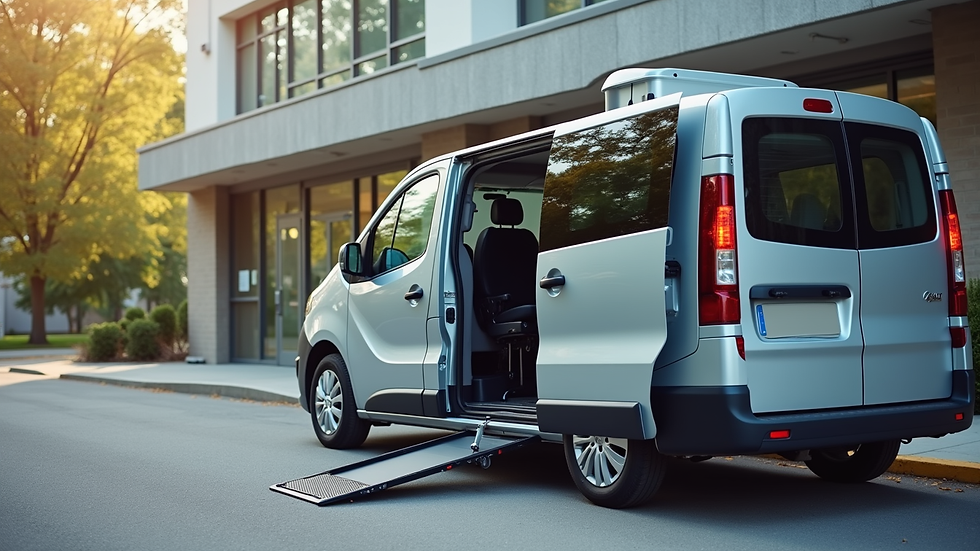
For example, non-emergency medical transportation services often provide vehicles with wheelchair lifts and drivers trained in senior care. These services ensure that clients arrive on time and with dignity, which is especially important for those recovering from hospital stays or managing chronic conditions.

How do seniors get around without a car?
Many seniors no longer drive due to health or safety concerns. Fortunately, there are several alternatives that help maintain mobility:
Public Transportation: Many cities offer buses and trains with priority seating and low-floor access. Some transit systems provide paratransit services for those unable to use regular routes.
Community Shuttles: Local organizations or senior centers often run shuttle services for shopping, medical appointments, and social activities.
Family and Friends: Relying on a trusted network for rides can be a practical solution, though it may not always be consistent.
Ride-Hailing Services: Some companies offer rides specifically designed for seniors, with drivers trained to assist and vehicles equipped for comfort.
Non-Emergency Medical Transport: This option is ideal for those with medical needs, offering door-to-door service and assistance.
Each option has its place depending on the individual's health, mobility, and personal preferences. Combining these methods can provide a comprehensive transportation plan that supports independence.
Choosing the Right Vehicle and Driver
The vehicle and driver are central to safe senior transport. When selecting a service, I recommend focusing on these aspects:
Vehicle Condition: The vehicle should be clean, well-maintained, and equipped with safety features such as seat belts, grab bars, and non-slip flooring.
Accessibility Features: For those using wheelchairs or walkers, ramps or lifts are essential. Vehicles should also have enough space to accommodate mobility aids comfortably.
Driver Qualifications: Drivers should have specialized training in assisting seniors, including how to help with boarding and disembarking safely.
Communication Skills: A calm and patient driver who communicates clearly can make the journey less stressful.
Emergency Preparedness: Drivers should be trained in basic first aid and know how to respond in case of an emergency.
For example, Divine Care Transit LLC emphasizes these qualities to ensure every ride is safe and respectful. Their drivers understand the importance of gentle assistance and timely service.

Practical Tips for Seniors and Caregivers
To make the most of senior transport options, here are some actionable recommendations:
Plan Ahead: Schedule rides in advance whenever possible to avoid last-minute stress.
Prepare for the Trip: Have necessary items like medications, identification, and mobility aids ready before the driver arrives.
Communicate Needs Clearly: Inform the service provider about any special requirements, such as assistance with walking or oxygen tanks.
Stay Visible: Wear bright or reflective clothing if walking to a pickup point, especially in low light.
Use Technology: Some services offer apps or phone lines to track rides and communicate with drivers.
Accompany When Needed: If possible, a family member or caregiver can accompany the senior to provide extra support.
These steps help create a smooth and safe transportation experience, reducing anxiety and ensuring comfort.
The Role of Professional Elderly Transport Services
Professional elderly transport services play a crucial role in bridging the gap between independence and safety. These services specialize in non-emergency medical transportation, offering tailored solutions for seniors and individuals with mobility challenges.
They provide:
Door-to-door assistance: Helping clients from their home to the vehicle and into their destination.
Trained staff: Drivers and aides who understand the physical and emotional needs of seniors.
Reliable scheduling: Ensuring timely pickups and drop-offs for appointments and errands.
Comfortable vehicles: Equipped with features that prioritize safety and ease of use.
By choosing a trusted provider, seniors and their families can feel confident that transportation needs are met with professionalism and care.
Looking Ahead: Enhancing Senior Mobility
As the population ages, the demand for safe senior transport options will continue to grow. Innovations such as autonomous vehicles, improved public transit accessibility, and expanded community programs hold promise for the future.
Meanwhile, it is important to advocate for:
Better infrastructure: Sidewalks, crosswalks, and transit stops designed with seniors in mind.
Increased funding: Support for programs that provide affordable and accessible transportation.
Education: Training for drivers and caregivers on best practices in senior mobility assistance.
By staying informed and proactive, we can help ensure that seniors remain connected, active, and safe in their communities.
Safe and reliable transportation is more than just a convenience - it is a lifeline. Whether through public transit, community shuttles, or specialized services, the goal is to provide seniors with the freedom to move confidently and comfortably. I encourage everyone to explore the options available and choose the solutions that best fit their needs. Together, we can make safe senior transport options accessible to all who need them.


Comments